


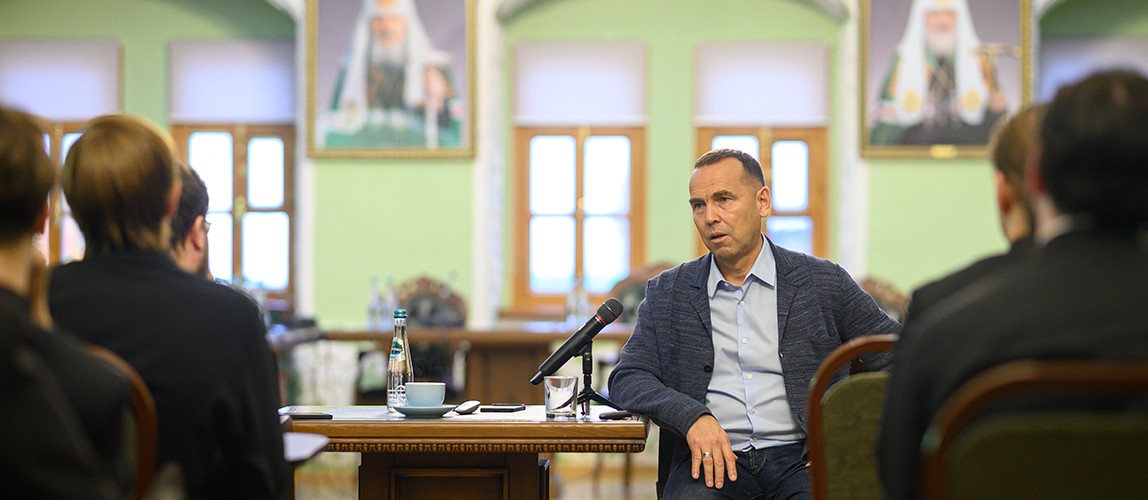
MThA Students Meet with Kurgan Region Governor Vadim Shumkov
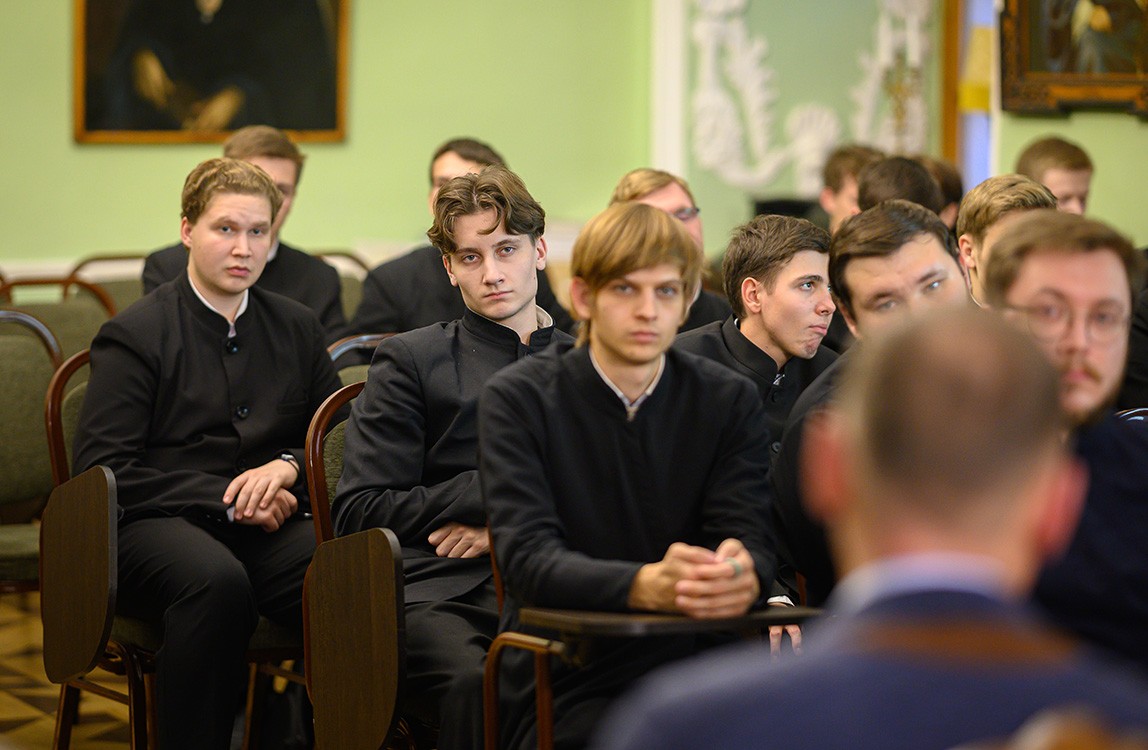
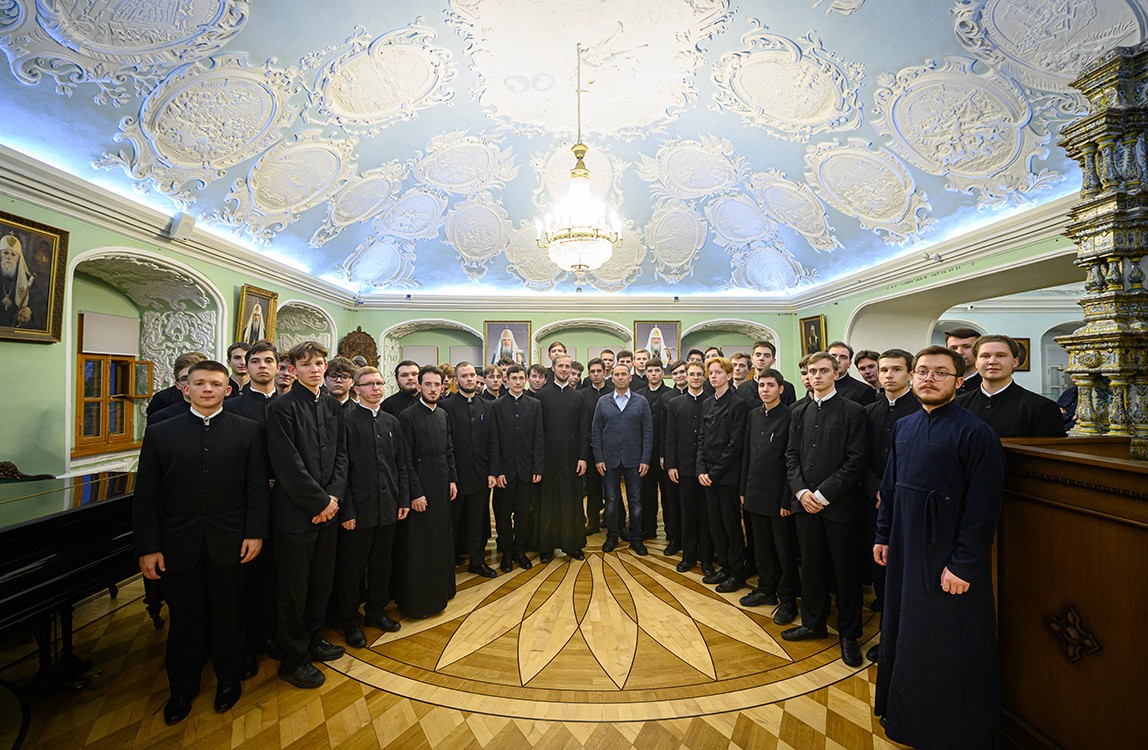
On October 6, 2026, students met with Vadim Shumkov, Governor of the Kurgan Region, in the Elizabeth Hall of the Moscow Theological Academy. During an extended conversation in an open dialogue format, he shared his experience of public service and reflections on reviving Russian culture, demographic challenges, and the priestly ministry in contemporary society.
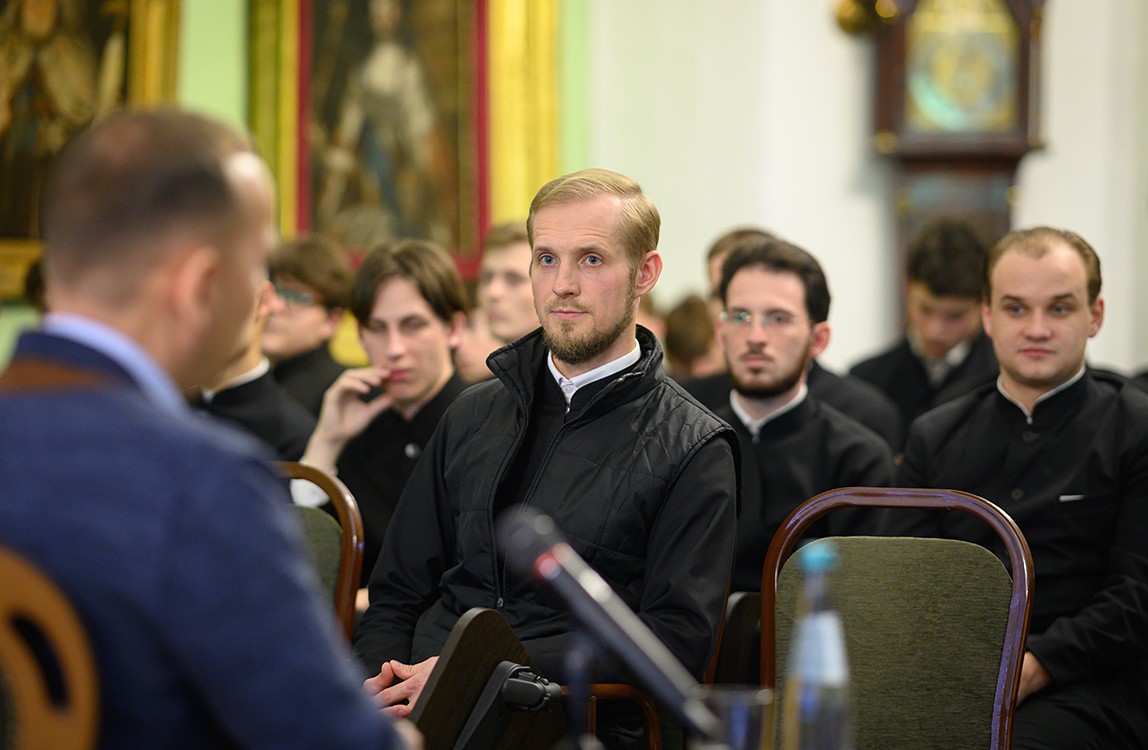
At the beginning of the meeting, the guest introduced the students to the region’s socioeconomic situation and spoke about initiatives and projects to revive cultural and historical memory.
A substantial part of the conversation focused on the state of contemporary culture. In the governor’s view, a consumer culture had been steadily taking shape in society over recent decades, with material goods and external comforts often displacing the desire to create and grow inwardly. Entertainment content, he observed, does not always strengthen moral principles, and society itself must engage thoughtfully with this issue. The discussion also addressed the need for government support for promoting traditional values through cinema, public-service advertising, and the internet, as well as the gradual renewal of the information environment, not so much through bans as through active involvement by public institutions and the Church, as people themselves begin to speak clearly about what they find unacceptable.
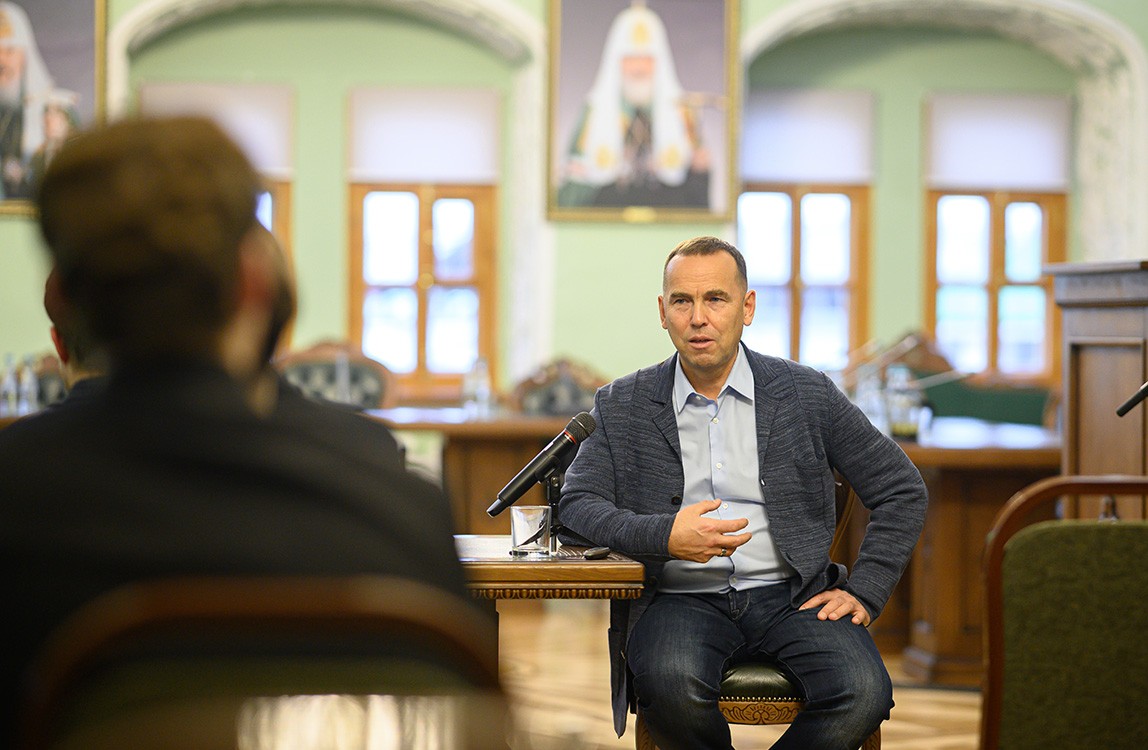
The revival of Russian culture held a special place in the conversation. The governor compared a person cut off from their roots to a rootless tree or a tumbleweed carried in one direction and then another. Returning to one’s roots, he said, requires support for folk traditions and engagement with authentic national art: concerts, performances by folk and church choirs, and opportunities for young people to discover their native song and spiritual culture.
He stressed that being rooted in one’s own heritage gives a people inner stability and the capacity to create. The conversation also turned to passionarity, a concept associated with Lev Gumilev’s theory. The governor described it as a person’s inner readiness to understand the meaning of life and act for a higher purpose, even at the cost of self-sacrifice. He cited the distant sea voyages of the Spanish and Portuguese, who ventured into the unknown through the strength of their faith and purpose, and the eastward expansion of Russian explorers, who reached the Pacific Ocean in the seventeenth century. He argued that authentic passionarity has a spiritual source, and that the demographic challenges facing contemporary society stem from a lack of spirituality, not only from material hardship.
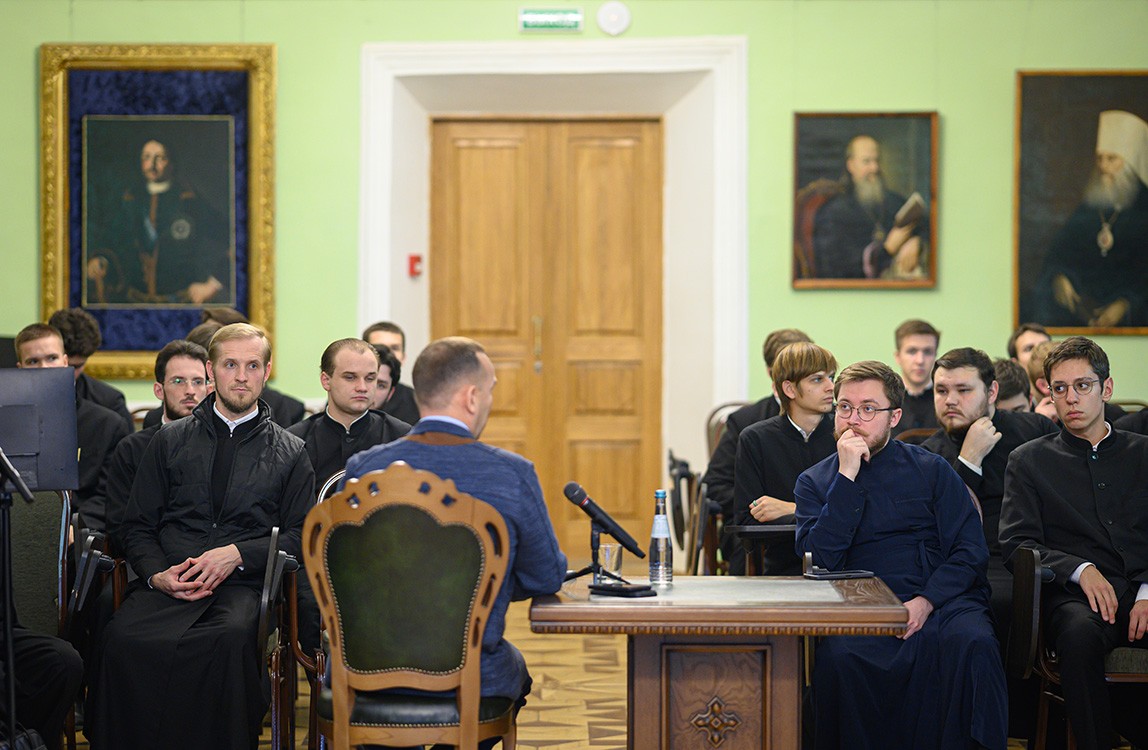
The demographic discussion led to the subject of abortion. The governor said the issue should be addressed gradually, bearing in mind how unsuccessful abrupt prohibitions had proved in the past: the anti-alcohol campaign showed that immediate restrictions can merely drive a problem underground. The Kurgan Region therefore chose a consistent and considered approach, including improving the work of medical institutions, working attentively with doctors, and cooperating with the Russian Orthodox Church.
According to the governor, this approach has already yielded results: the number of abortions in the region has fallen by about a quarter over two years, and in some places by as much as a third. Considerable attention was given to rethinking historical symbols. The governor urged caution in assessing figures of the revolutionary era, distinguishing those firmly established in public consciousness from those whose historical role is less significant. Abruptly renaming streets and removing monuments, he noted, can cause psychological harm to society as well as substantial expense, so a careful and gradual approach is preferable.
He cited the Kurgan practice of displaying a street’s former name alongside its new one, allowing people to adjust to change without losing their connection to the past. The discussion of historical memory continued with monuments. The governor described the restoration of a monument commemorating those who fought in the Great Patriotic War: the deteriorated structure was replaced with a monument made of Ural stone and bearing an inscription honouring all defenders of the Russian land throughout the ages. He warned against extremes in attitudes towards monuments and graves, recalling the sad consequences of demolishing monuments and desecrating burial sites. Society, he said, should be healed gently and patiently, like a caring parent tending a sick child.
Particular attention was paid to the priestly ministry, a topic addressed to the future pastors. The governor encouraged young priests to follow Christ’s example by healing, feeding, and caring for those in difficulty, seeing this as the principal way to restore people’s living sense of faith. He spoke of plans to support rural parishes and monasteries by providing food and medicine to those in need and helping develop small farms attached to churches, so that priests could support themselves through labour and earn the respect of local residents.
He emphasized that pastoral ministry is not merely the performance of rites; above all, it is the transmission of faith itself, the spark capable of kindling the human heart. Concluding the conversation, Vadim Mikhailovich spoke to the students about the historic mission entrusted to them. In his view, the country today lacks neither resources nor outward strength, but spirit and faith; and the younger generation of pastors will largely determine whether the people can regain their inner wholeness. The governor urged the students to keep the faith, remain humble, and follow Christ, so that people might follow them, as they once followed St Sergius of Radonezh and St John of Kronstadt, recognizing in them bearers of something beyond ordinary human understanding.
MThA Press Office


