

MThA Presents Systematic Research on Modern Church Schisms
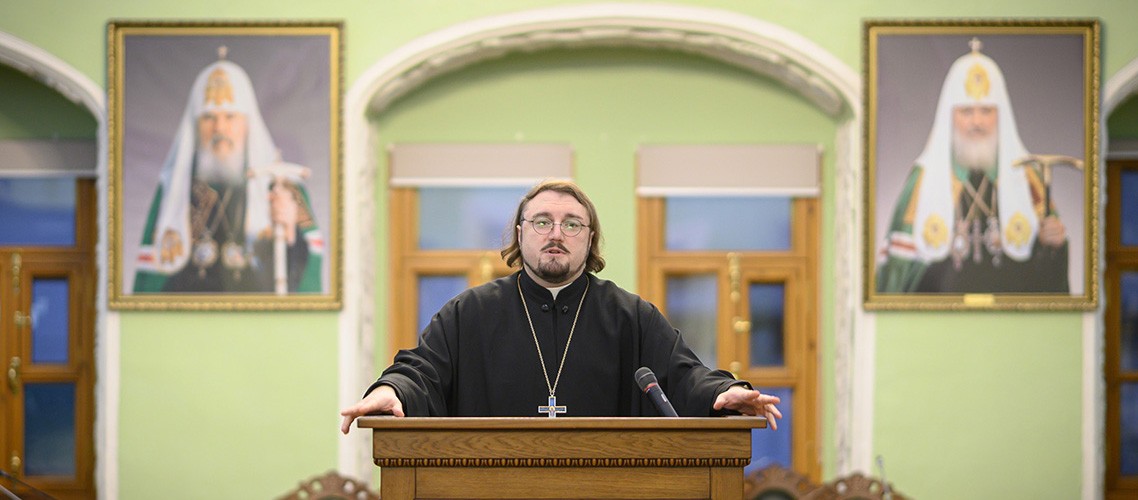
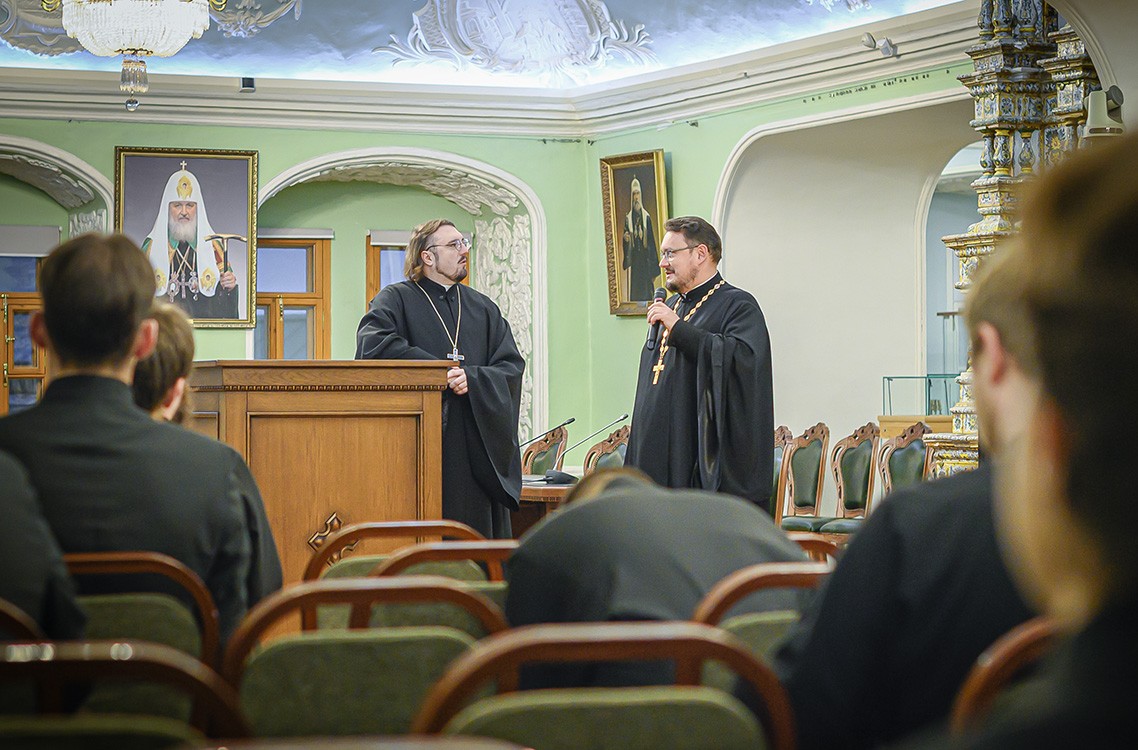
On November 11, a lecture by Priest Pavel Bochkov was held at the Moscow Theological Academy. He is a habilitated Doctor of Theology (Dr.Hab), Doctor of Theology (Th.Dr), Candidate of Juridical Sciences, Professor at the Department of Theology and Christian Communication of the Interregional Academy of Personnel Management, Associate Professor at the Kuzbass Theological Seminary, Rector of the Church of St. Luke in Norilsk, and a member of the Editorial Board of the scientific journal "Bogoslov". The event, held in a hybrid format—in-person in the Small Assembly Hall of the MThA and remotely on the online platform of the portal "Bogoslov.RU"—was dedicated to a pressing but still understudied topic in theological schools: the history of church schisms.
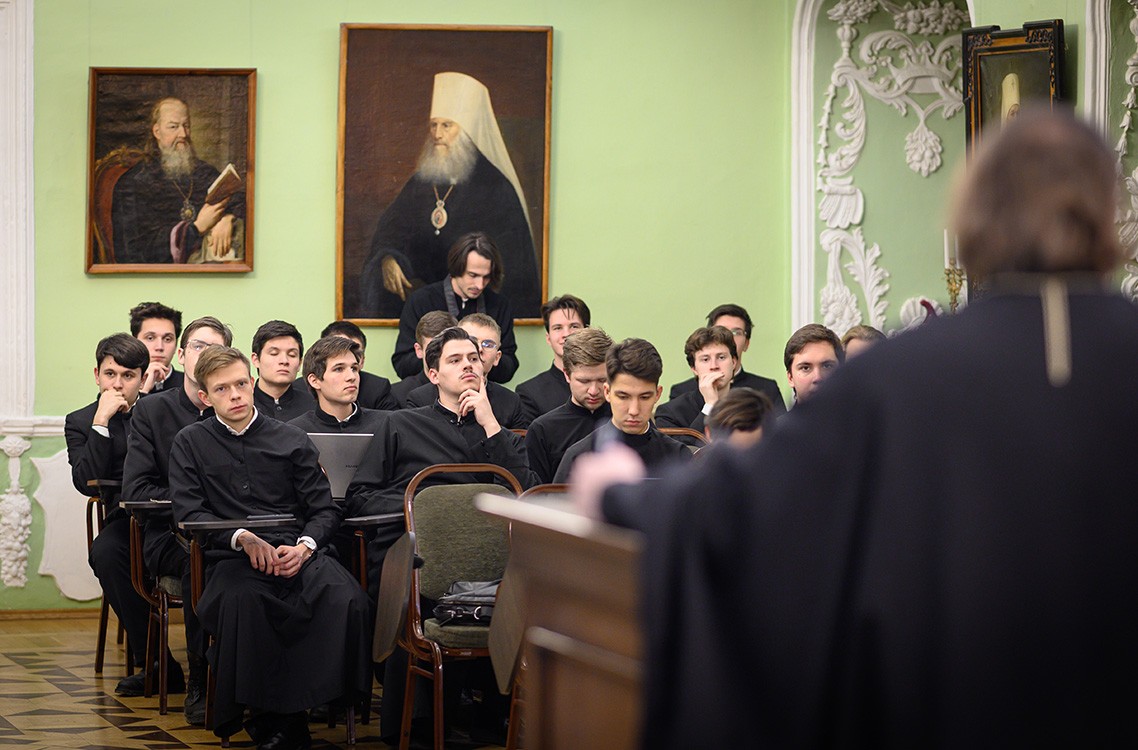
Father Pavel presented his own classification of church divisions, developed based on the scientific-theological research of the President of St. Tikhon's Orthodox University (PSTGU), Professor Protopriest Vladimir Vorobiev, and Doctor of Theology Protopriest Alexander Fedoseev.
According to Father Vladimir, the unity of the Orthodox Church is threatened today by schisms, which can be roughly divided into three main directions: nationalist, jurisdictional-political, and revolutionary-reformist. Father Alexander expanded this list by introducing the definition "disciplinary-psychological schisms" into scholarly discourse.
Building on this foundation, the lecturer provided a detailed characterization of four types of schisms, illustrating each with specific examples of active non-canonical structures and their leaders as of 2024.
Political Schisms
According to Father Pavel's definition, political schisms arise from state and political interference in the internal life of the Church, leading to the "subordination of church life to political expediency". In the researcher's view, the history of the emergence of the Russian Orthodox Church Outside of Russia (ROCOR) is a vivid example. The lecturer noted that despite the healing of the division with the Moscow Patriarchate in 2007, part of ROCOR did not accept this course, leading to the emergence of several new non-canonical structures. Among their leaders were listed "Metropolitan of New York and Eastern America, Archbishop of Taurida and Odessa" Agafangel (Pashkovsky), the now-deceased "Metropolitan of Moscow and All Russia" Antony (Orlov), "Metropolitan of Moscow and Eastern Russia" Filaret (Rozhnov), and others.
Nationalist (Ideological-National) Schisms
These divisions are characterized by the penetration of national aspirations into church consciousness and the desire to create one's own church structure within a national community. As examples, Father Pavel cited the creation of the "Ukrainian Autocephalous Orthodox Church" (UAOC), the "Ukrainian Orthodox Church of the Kyiv Patriarchate" (UOC-KP) headed by "Patriarch of Kyiv and All Rus'-Ukraine" Filaret (Denisenko), as well as the "Orthodox Church of Ukraine" (OCU), which has not received broad recognition in World Orthodoxy, headed by "Metropolitan of Kyiv and All Ukraine" Epiphanius (Dumenko).
Revolutionary-Reformist Schisms
Such schisms are characterized by modernist ideas, the rejection of Sacred Tradition, and often the emergence of a married "episcopate". A typical example cited by the lecturer is the "Orthodox Church of the Resurrection" ("Apostolic Orthodox Church"), created in 2000.
Disciplinary-Psychological Schisms
This category, introduced by Protopriest Alexander Fedoseev, includes internal conflicts within the hierarchy, "young elder" movements, authoritarianism, pseudo-eschatological sentiments, and fanaticism. This encompasses various Old Calendarist jurisdictions, Old Believer groups, and marginal cults, such as the sect "Russian Orthodox Church of the Tsarist Empire" headed by "Patriarch" Zosima (Vlasov). Father Pavel separately emphasized the danger of phenomena such as "icons" of Stalin, Ivan the Terrible, and Yuri Gagarin. According to him, those venerating such "images" have to be dealt with in many parishes.
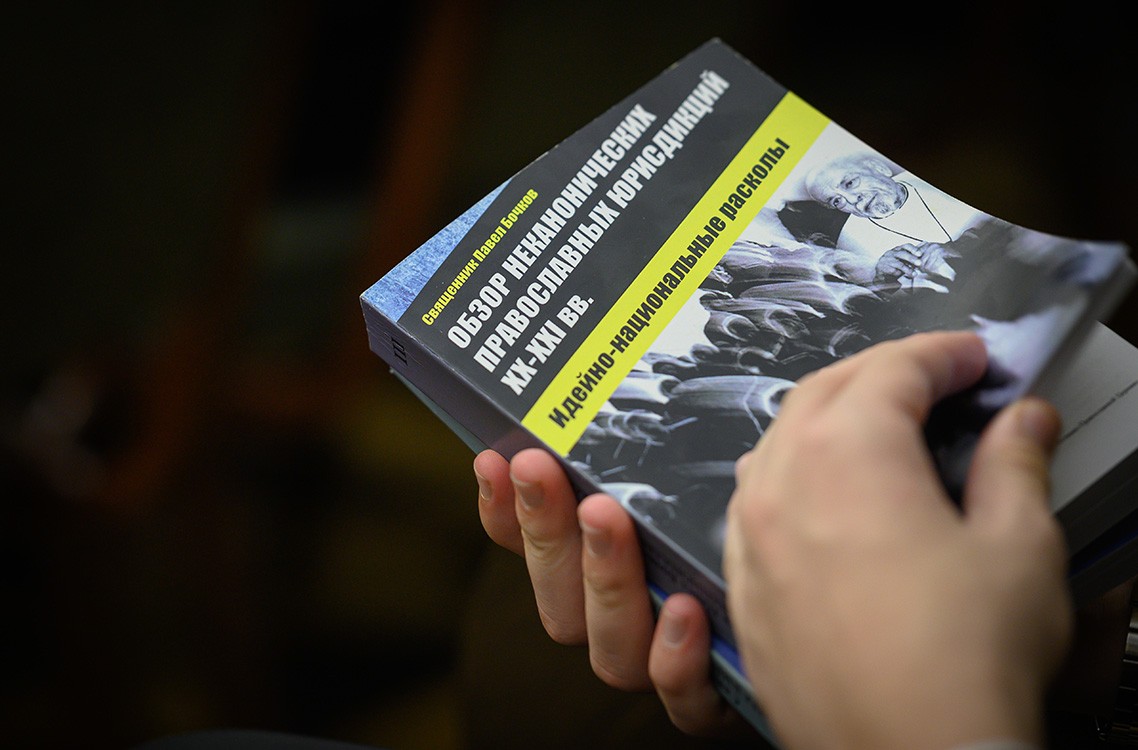
The topic is explored in greater detail in the five-volume work by Priest Pavel Bochkov, "Review of Non-Canonical Orthodox Jurisdictions of the 20th–21st Centuries" (St. Petersburg, 2018–2020), published with the blessing of Metropolitan Hilarion (Kapral) of Eastern America and New York (1948–2022). The monograph, the fruit of nearly 20 years of research, has received numerous positive reviews from specialists and has become a bibliographic rarity.
"Knowledge about church schisms is a sign of our churchliness, our ecclesiological maturity, and fidelity to the canonical order of our Church", noted Father Pavel in conclusion. "All of this cannot but concern those preparing for pastoral service".


